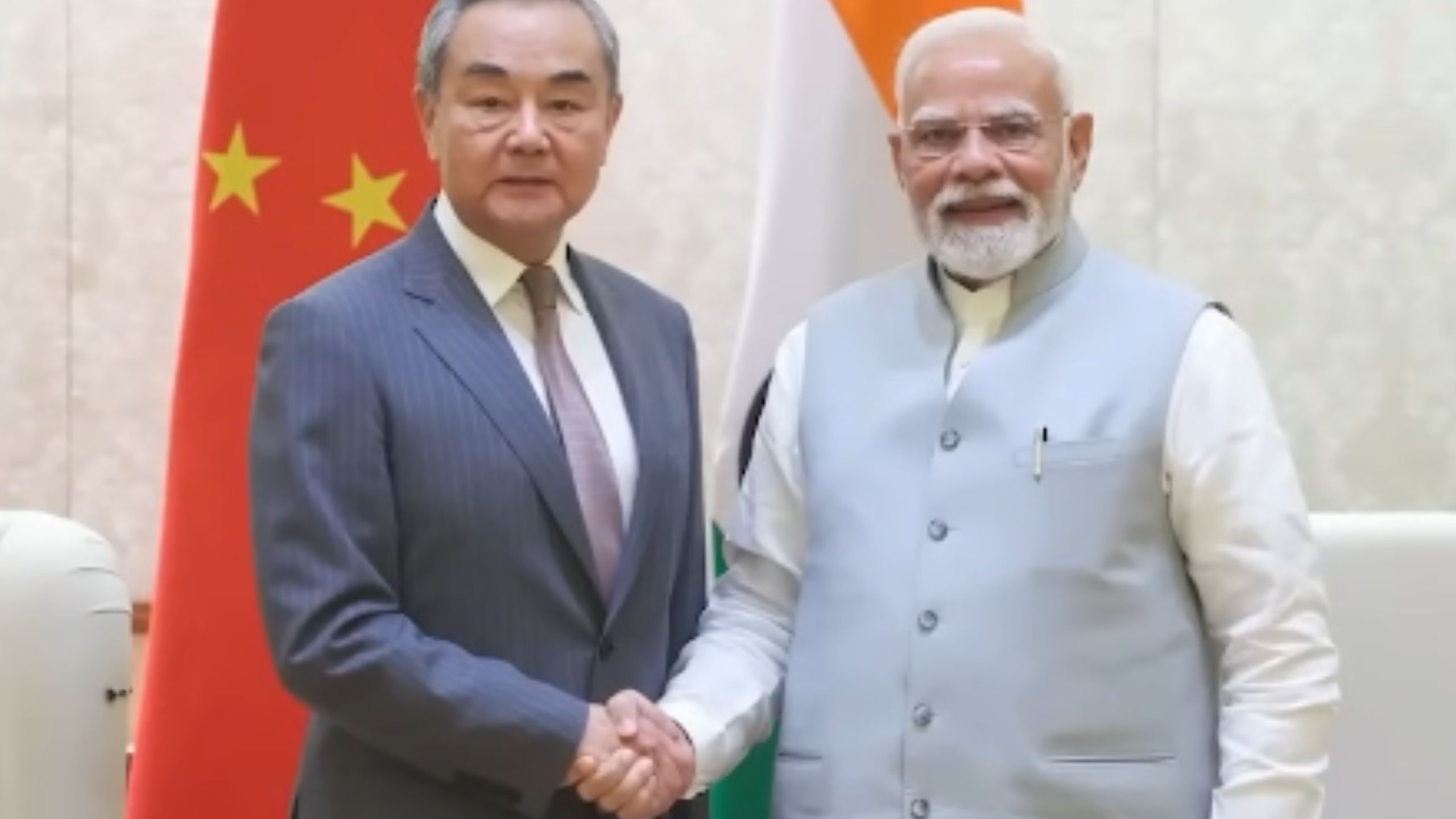
NEW DELHI (Diya TV) — Indian National Security Advisor Ajit Doval and Chinese Foreign Minister Wang Yi held the 24th round of boundary talks in New Delhi, marking a fresh attempt by India and China to stabilize relations and address long-standing border disputes.
Officials said the discussions were candid and constructive. Both sides stressed the need to move past earlier tensions, including the deadly 2020 Galwan Valley clashes, and to rebuild trust through structured dialogue. The meeting comes at a time when global analysts are watching closely, as tensions between India and the United States have also been rising.
President Donald Trump has imposed steep tariffs on Indian goods and has taken a sharp tone toward New Delhi. Many observers believe Trump is trying to use India as leverage in his push to resolve the war in Ukraine, with an eye on securing a Nobel Peace Prize. Against this backdrop, the India-China dialogue has gained new urgency.
During the talks, Doval and Wang Yi agreed on a framework to manage the boundary issue. They reaffirmed that the dispute should be handled through political dialogue, guided by the 2005 agreement on principles for a fair and mutually acceptable settlement.
To speed up progress, the two sides decided to create an expert group under the Working Mechanism for Consultation and Coordination. This group will identify areas where agreements can be reached more quickly. A second working group will focus on improving border management and ensuring peace along the frontier.
The leaders emphasized that peace and stability along the boundary remain essential for broader ties between the two countries. They also agreed to continue high-level engagement and to maintain regular communication at both political and military levels.
The talks also touched on trade and economic cooperation. India and China have agreed to open new trading routes to boost cross-border commerce. Both countries discussed lifting export controls to improve access to key goods and services.
Officials described these steps as confidence-building measures that could help restore normalcy in bilateral ties. Expanding trade routes and easing restrictions may also provide economic relief at a time of global uncertainty.
The 24th round of Special Representatives’ talks has paved the way for the next meeting, which will take place in China in 2026. By setting a clear timeline, both governments signaled their commitment to a sustained dialogue process.
Analysts say the decision to plan shows that New Delhi and Beijing want to avoid the cycle of confrontation and breakdown that has marked past efforts. Instead, both sides appear willing to invest in long-term engagement.
The renewed talks between India and China carry wider implications. The two nations share a long and disputed border, and their relationship influences stability across South Asia. Peace along the frontier also shapes the regional balance of power as both countries expand their global influence.
The meeting comes as the world faces shifting alliances, from the Ukraine war to trade tensions between Washington and New Delhi. In this environment, the India-China dialogue offers a reminder that even rival neighbors can seek common ground when global pressure grows.
For now, both sides have chosen cooperation over confrontation. The agreement to strengthen border management, create new expert groups, and expand trade links signals a careful but deliberate move toward rebuilding trust.
As Ajit Doval and Wang Yi closed their talks in New Delhi, they set the stage for a new phase in India-China relations. While challenges remain, the commitment to dialogue and the political will to manage disputes mark an important step in easing tensions between two of Asia’s largest powers.