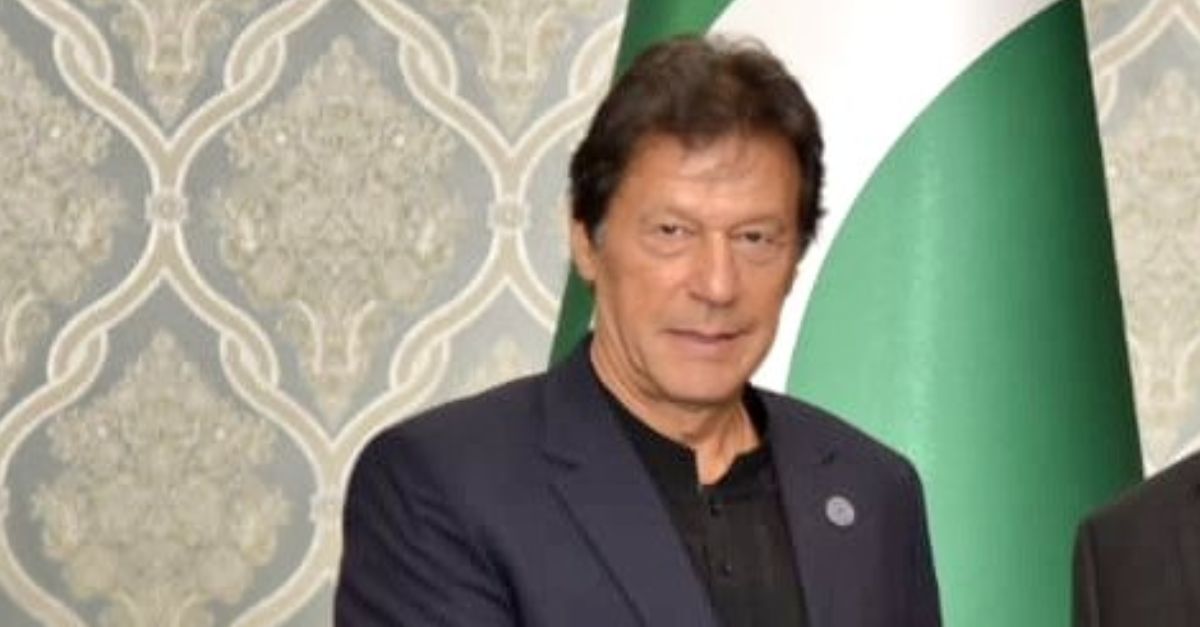
RAWALPINDI, Pakistan (Diya TV) — Concerns are growing over the wellbeing of former Pakistani Prime Minister Imran Khan as his family and political allies say they have been denied all contact for weeks. They claim authorities have blocked every attempt to visit him, raising fears about his safety inside prison.
Imran Khan’s son, Kasim Khan, posted an urgent appeal on social media, saying his father has been under arrest for 845 days. He said Khan has spent the past six weeks in solitary confinement in what he described as a death cell. He said there have been no visits, no calls and “no proof of life.”
He said authorities have ignored court orders that allow his aunts to meet Khan. He accused the Pakistani government of enforcing a “deliberate blackout” to hide his father’s condition. He warned that officials and “their handlers” would be held accountable “legally, morally and internationally” if anything happened to the former leader.
Khan’s family has called on global human rights groups and world governments to intervene. They want authorities to provide proof that Khan is alive, allow court-ordered access and end his isolation. Their demand has sparked a broad online response, with #WHEREISIMRANKHAN trending across social media.
Leaders from Khan’s Pakistan Tehreek-e-Insaf party say the government is ignoring prison rules that allow him to meet outsiders at least once a week. They say officials have not offered any explanation for blocking these visits.
Zulfikar Bukhari, a PTI spokesperson, said Khan has been denied medical support despite being a former prime minister. He said the party tried to visit Khan on Thursday, but prison authorities again refused access. He called the situation “illegal isolation” and said they fear for Khan’s health.
Party members and family supporters have staged protests outside the prison in Rawalpindi, demanding a meeting with Khan. Local media reports suggest authorities may move him to a high-security prison, which could further limit access.
Pakistan’s interior ministry did not respond to multiple requests for comment. A jail official, speaking anonymously, told Reuters that Khan is in good health. He said he was not aware of any plans to move the former prime minister to another facility. The lack of official statements has fueled more questions from Khan’s supporters.
Khan, now 73, has been jailed since August 2023 after being convicted in a corruption case. He says the charges are false and part of a broader effort by the military to push him out of politics. The military denies the claims. Khan faces many other cases tied to his time in office and to protests that followed his first arrest in May 2023.
His legal team says long gaps with no access have raised concerns before, but the current silence is the longest and most alarming. They say the government is violating not only prison rules but also basic human rights standards.
Khan rose to power in 2018 but was removed from office in 2022 after clashes with senior military leaders. His arrest in 2023 sparked nationwide protests and a sweeping crackdown on PTI. Despite this pressure, PTI-backed candidates emerged as the largest bloc in Pakistan’s 2024 election. PTI says its opponents manipulated results to form a coalition government under Prime Minister Shehbaz Sharif. Sharif and his allies reject the allegation.
The dispute has left Pakistan’s political climate tense. Khan’s absence has also created uncertainty within his party as it faces ongoing legal and political challenges.
Human rights organizations and foreign observers have monitored Khan’s legal battles for months. The latest claims of solitary confinement and a communication blackout have drawn fresh international scrutiny. Advocacy groups say governments must press Pakistan to follow its own court orders and ensure transparency around Khan’s detention.
As the situation intensifies, Khan’s family continues to demand immediate access and public confirmation of his condition. They say they will not stop calling for international pressure until they receive proof that he is safe.
The uncertainty surrounding Khan’s status has made his detention a major national and global issue once again, raising urgent questions about human rights, political fairness and transparency in Pakistan.