AHMEDABAD, India (Diya TV) — French fries are changing the lives of farmers in Gujarat reports the BBC. Just ask Jitesh Patel. He used to grow cotton, like many in his village. But low returns and recurring droughts pushed him to try something new. His bold move into potatoes, and later French fry varieties, helped turn his farm into a success story.
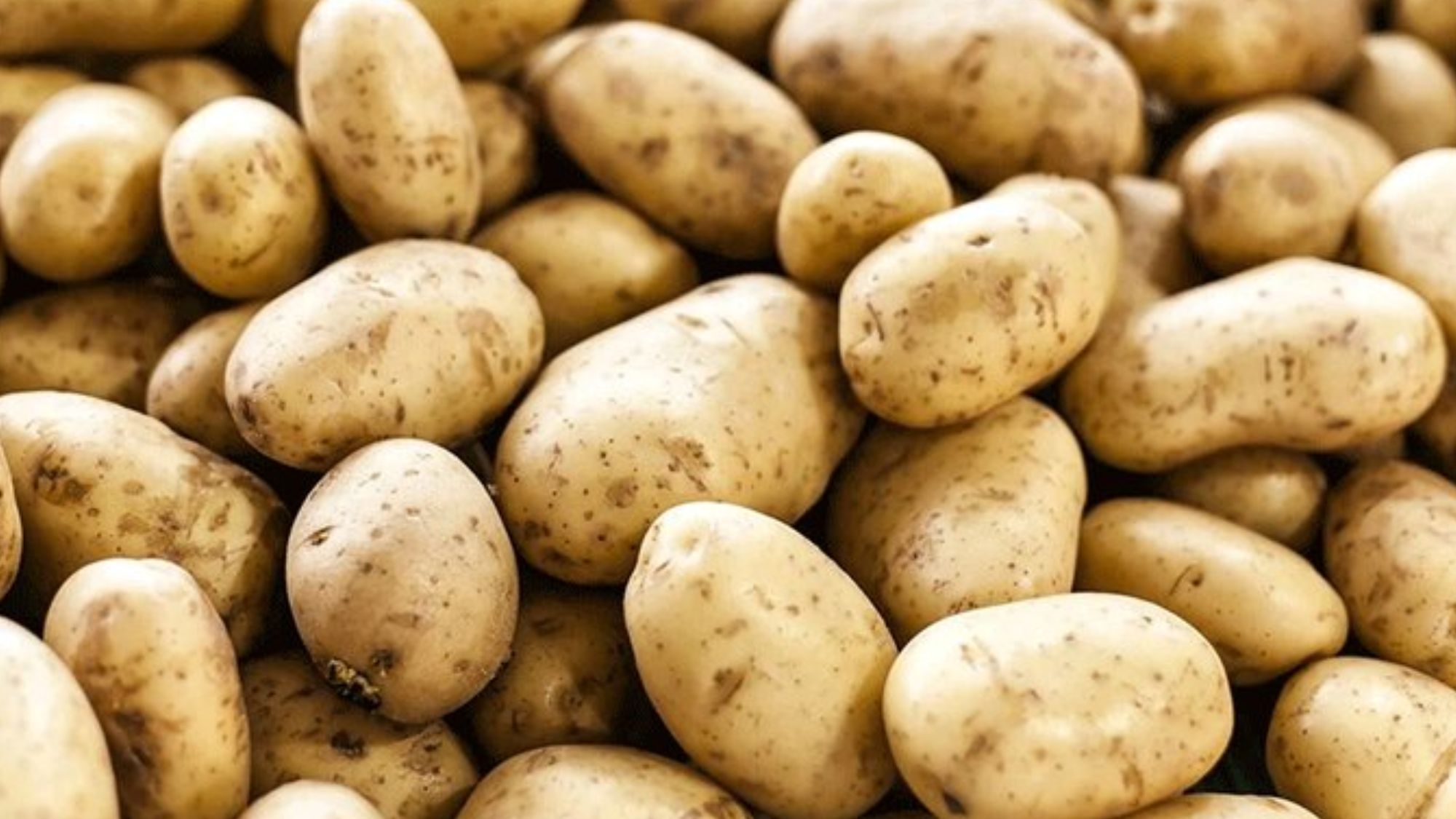
Patel comes from a long line of cotton farmers. But cotton needs a lot of water, and Gujarat’s dry climate made it harder each year. Droughts in 2001 and 2002 hit his family hard. They realized they needed to grow a crop that required less water. So, they turned to potatoes. At first, Patel grew table potatoes for local markets. But profits were still low. Then came a turning point. In 2007, the family started growing potatoes used for French fries. That decision changed everything.
“Since then, no looking back,” says Patel.
India is now the world’s second-largest potato producer. But it’s not just growing potatoes that’s making headlines. The export of frozen French fries is booming, and Gujarat is leading the way. Factories from global players like McCain Foods and local giants like HyFun Foods have set up shop in the state. These plants process massive volumes of fries, sending them to markets across Asia, including the Philippines, Thailand, and Indonesia.
In February 2025, India’s monthly frozen fry exports hit a record 20,000 tons. The annual figure reached over 181,000 tons, up 45% from the previous year. Price plays a big role. Indian frozen fries are often cheaper than Chinese ones, making them popular in international markets. “India has emerged as a major player due to its low-cost production and better quality control,” says Haresh Karamchandani, CEO of HyFun Foods.
Patel is part of a new generation of farmers using science to improve yields. He studied agriculture and now works with friends and family to test better techniques. In 2003, they moved to drip irrigation, a method that saves water. They also rest their soil during summer and use cow manure as fertilizer.
Now, they’re trying to find the perfect potato for French fry production. Patel and his team are testing new seed varieties that offer better results and fewer issues during storage. Companies like Jain Irrigation Systems are helping farmers like Patel. They use tissue culture techniques to grow disease-free potato plantlets. These are cloned from healthy plants in labs, then multiplied to produce better seeds.
“Potato seeds go through careful breeding to ensure quality,” says Vijay Singh, vice president of marketing at Jain Irrigation. One issue they’re working on is reducing sugar content, which causes the potatoes to turn brown by November. As production grows, so does the need for storage and transport. Only 10–15% of India’s cold storage units are fit for frozen food. Most are concentrated in a few states, leaving rural areas behind.
Transport is also tough. India lacks enough refrigerated trucks and containers, making long-distance delivery risky. “Spoilage is a real problem,” says Vijay Kumar Nayak, co-founder of Indo Agri Foods. “Many areas still face frequent power outages, making frozen food logistics a challenge.”
India also faces stiff competition from China, Thailand, and Brazil. These countries have stronger supply chains and better infrastructure. Despite the hurdles, farmers like Patel are hopeful. Contract farming with fry makers gives them steady income and support. Gujarat has become a hub for food processing, and more farmers are joining the movement.
“Most of us are contract farmers now,” Patel says. “We get good money and better security.”
The French fry may seem like a simple snack. But in Gujarat, it’s helping farmers build a new future—one crispy bite at a time.