NEW YORK (Diya TV) — Federal prosecutors in Manhattan are examining whether high-stakes bets on prediction markets may have crossed legal lines, including insider trading and fraud. The move marks a new phase of scrutiny for a rapidly growing industry that has drawn both excitement and concern.
Officials from the U.S. attorney’s office for the Southern District of New York recently met with representatives of Polymarket, a leading platform where users bet on real-world outcomes. Sources familiar with the meeting said prosecutors want to understand how existing laws apply to activity on these markets.
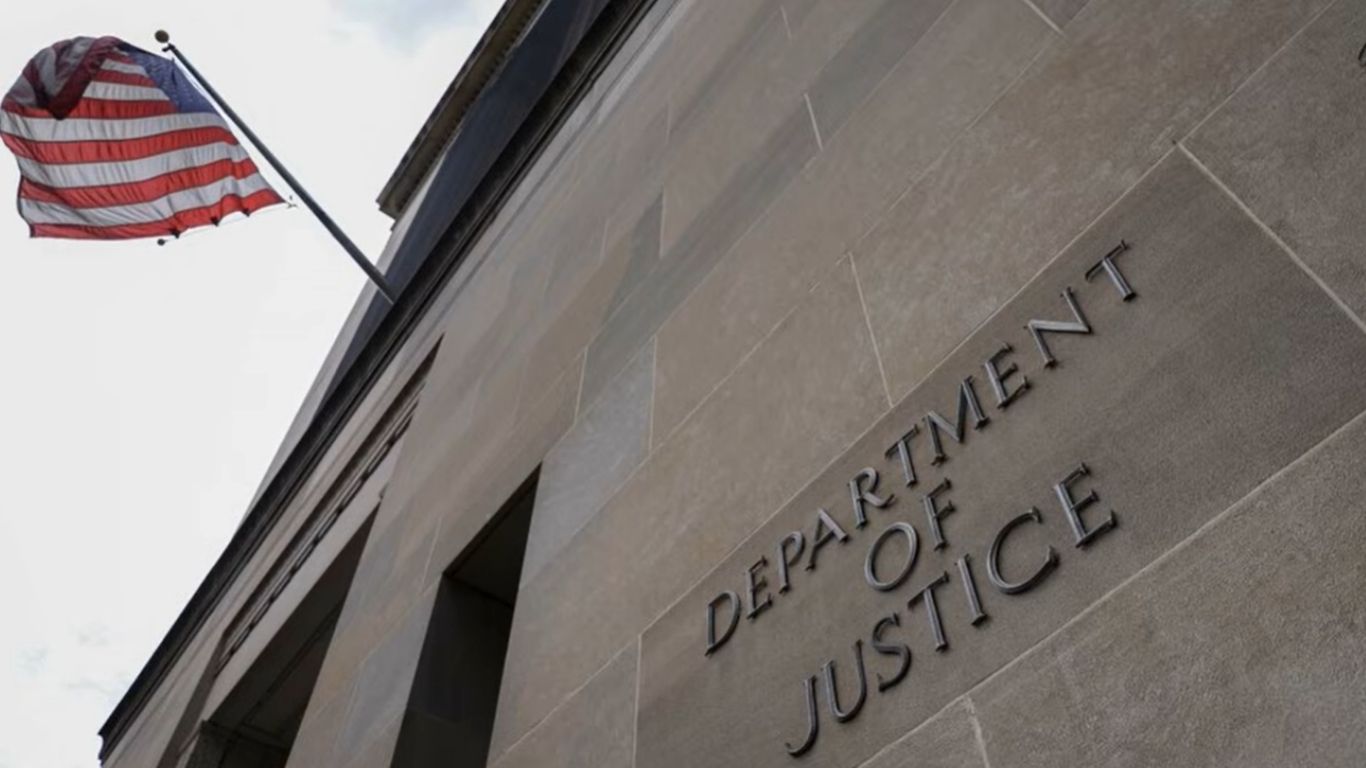
The Justice Department has increased its focus on unusually profitable trades. Some bets have centered on major geopolitical events, including the reported timing of the capture of Venezuelan leader Nicolás Maduro. Investigators are now asking whether traders used nonpublic information to gain an advantage. A spokesperson for the U.S. attorney’s office said officials regularly meet with market participants. The office has also warned that insider trading laws, anti-fraud rules, and anti-money laundering statutes apply to prediction markets.
Prediction markets like Polymarket and Kalshi allow users to place yes-or-no bets on events. These can include elections, sports outcomes, and even television plotlines. The sector has grown quickly over the past year. Many platforms operate with limited oversight. That rapid expansion has raised concerns among regulators and lawmakers. At a recent conference, U.S. Attorney Jay Clayton warned that prediction markets do not have immunity from fraud laws. He said criminal cases are likely to emerge as authorities take a closer look.
Experts say insider trading cases in prediction markets may prove difficult. Unlike traditional financial markets, these platforms often lack clear legal frameworks. Former enforcement official Aitan Goelman said prosecutors must show that a trader used material nonpublic information and violated a duty of trust. He noted that such cases remain largely untested. The global nature of prediction markets adds another challenge. Many trades occur on offshore platforms, making enforcement more complex for U.S. authorities.
The Commodity Futures Trading Commission requires platforms operating in the United States to register and follow strict rules. These include monitoring for fraud and market manipulation. So far, federal regulators have not brought major enforcement actions against prediction market trading. Still, state officials have begun to act.
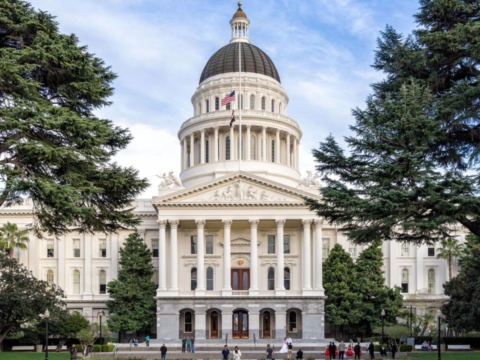
In Arizona, authorities filed criminal charges against Kalshi, accusing it of illegal gambling and election wagering. The company has denied wrongdoing. In California, Gov. Gavin Newsom issued an order banning state officials from using insider information on such platforms. Lawmakers from both parties have also introduced bills to clarify rules. Some proposals aim to ban public officials from betting on political events or policy decisions.
In response to mounting pressure, major platforms have begun updating their policies. Polymarket recently introduced rules banning trades based on confidential information. Kalshi announced similar measures, including restrictions on politicians and athletes betting on events tied to themselves.
Kalshi has already taken enforcement actions. The company said it fined and banned traders suspected of using insider information. It also referred several cases to law enforcement. Despite these efforts, critics argue that prediction markets remain largely self-policed. They warn that the risk of manipulation remains high, especially in markets tied to politics and global events.
The industry has also attracted high-profile figures. Donald Trump Jr. joined Polymarket’s advisory board in 2025 and also serves as an adviser to Kalshi. His involvement has drawn added attention to the sector’s growing influence. Meanwhile, regulators continue to debate how best to oversee the market. The CFTC has signaled a more flexible approach in recent months, focusing on innovation while encouraging stronger internal monitoring.
Federal scrutiny could shape the future of prediction markets in the United States. While no companies have been accused of wrongdoing, the investigation signals a shift toward stricter oversight.