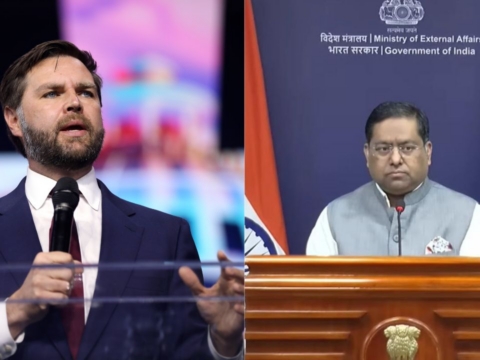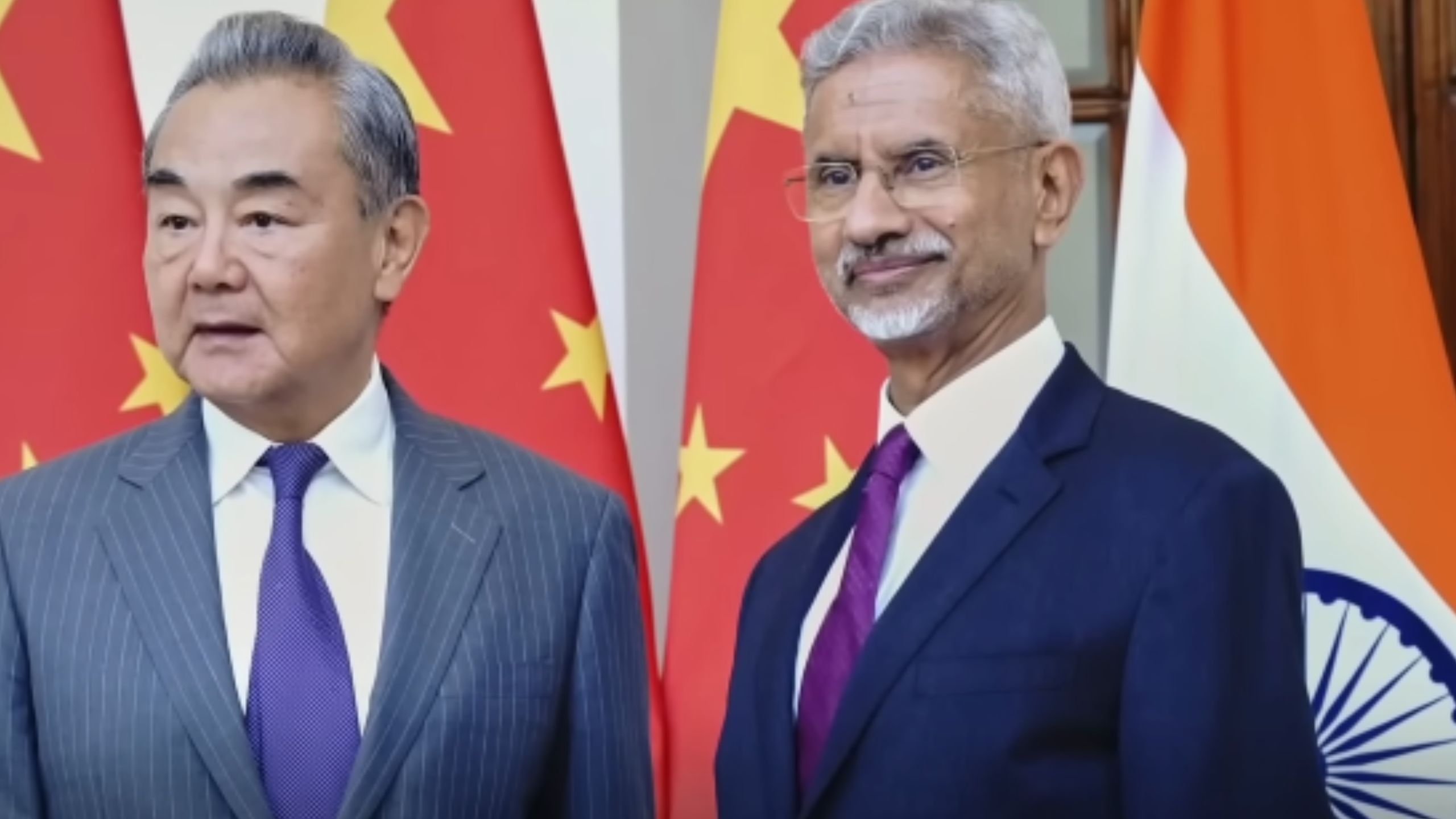
NEW DELHI (Diya TV) — China has lifted export restrictions on fertilizers, rare earth magnets, and tunnel boring machines to India, marking a breakthrough in trade relations between the two countries. The decision follows talks between Indian External Affairs Minister S. Jaishankar and Chinese Foreign Minister Wang Yi last month. On his current two-day visit to India, Wang assured Jaishankar that Beijing had already begun acting on New Delhi’s concerns. Shipments of the restricted goods have reportedly started.
India had raised serious concerns after sudden Chinese curbs disrupted the supply of fertilizers. The restrictions hit the availability of Di-Ammonium Phosphate, or DAP, which is critical for the Rabi season. Indian officials said farmers faced higher costs and supply gaps during this period.
The lifting of fertilizer curbs comes as a relief to the agriculture sector. New Delhi had pressed Beijing on the matter, emphasizing the need for stable and predictable supplies. Fertilizer imports from China play a significant role in supporting Indian farmers during peak crop cycles.
China had also held back shipments of tunnel boring machines. These are essential for India’s large-scale infrastructure projects, including metro systems, highways, and hydroelectric tunnels. Some of the equipment was produced by foreign companies but manufactured in Chinese facilities.
The delays posed challenges for ongoing projects. Officials stressed that infrastructure deadlines risked slipping without the timely delivery of the machines. With restrictions lifted, construction firms expect smoother progress on critical developments.
India’s automobile and electronics industries had flagged urgent concerns about shortages of rare earth magnets. These magnets are vital for electric vehicles, mobile devices, and other high-tech products. The supply crunch threatened to slow production across several sectors.
In April, China imposed a special licensing requirement for the export of seven rare earth elements and related magnets. Officials said the restrictions were linked to national security considerations. The move created ripple effects in India, where automakers such as Bajaj Auto reportedly cut production due to limited supply.
The electronics sector also sounded the alarm, noting that rare earth shortages could impact everything from consumer gadgets to renewable energy equipment. With China easing curbs, industries hope for steady access to these crucial materials.
While Beijing has agreed to ease restrictions, India is also working to strengthen its supply chain independence. The Ministry of Heavy Industries has proposed a subsidy scheme worth ₹1,345 crore to promote local production of rare earth magnets. The program aims to reduce reliance on imports and build domestic capacity.
At the same time, the Indian government continues to engage with China. Officials have stressed that supply chains must remain open and resilient. Recent reports indicate that China has also issued visas to Indian companies, allowing direct engagement with suppliers.
The lifting of export restrictions comes at a delicate time in India-China relations. Tensions along the border have strained ties in recent years, and trade has often been caught in the crossfire. However, the latest development suggests both sides are willing to address practical concerns.
For India, the move secures access to key inputs for agriculture, infrastructure, and industry. For China, it signals a willingness to respond to trade partners despite broader strategic differences. Analysts say the breakthrough could ease some pressure in bilateral talks, though underlying tensions remain.
The restoration of supplies provides short-term relief, but India is unlikely to rely solely on Chinese exports in the long run. Efforts to diversify sources and boost domestic production are expected to continue.
Farmers, construction firms, and manufacturers across India will benefit from the decision. With fertilizer shipments arriving in time for the next crop cycle and tunnel boring machines cleared for use in ongoing projects, industries are preparing to regain momentum. For now, the breakthrough offers a rare sign of cooperation between New Delhi and Beijing. Whether it leads to deeper trade stability remains to be seen.