WASHINGTON (Diya TV) — The U.S. State Department confirmed this week that more than 6,000 student visas have been revoked in 2025 as part of the Trump administration’s expanded crackdown on international students accused of breaking U.S. laws or violating visa conditions.
A State Department official said on August 18 that the cancellations mark a sharp rise in enforcement. The revoked visas include students accused of overstaying expiration dates, committing crimes, or engaging in activities that raised national security concerns.
Between 200 and 300 of the cases involved alleged ties to terrorism under the Immigration and Nationality Act. The rest were linked to immigration violations or criminal charges such as assault, burglary, and driving under the influence.
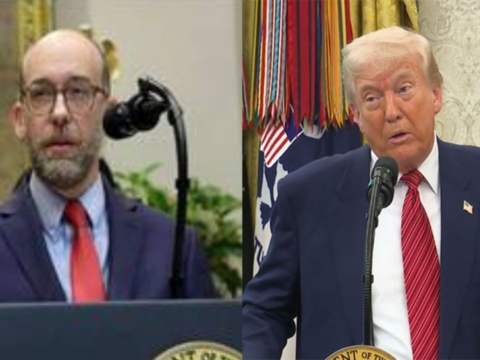
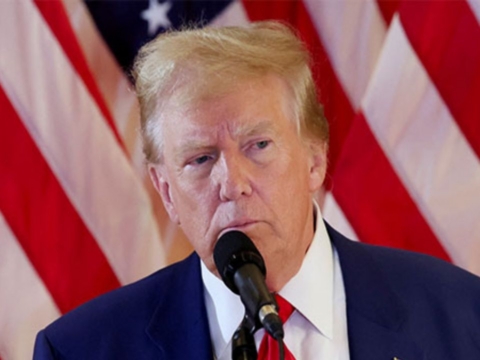
Officials described the effort as part of President Donald Trump’s broader push to tighten immigration rules and impose tougher standards on foreign nationals studying in the United States.
The enforcement comes as universities face heightened scrutiny for campus activism, particularly protests against the war in Gaza. Federal officials argue that some demonstrations have taken on antisemitic tones and created hostile environments for Jewish students.
The administration has accused several universities of tolerating antisemitism while failing to protect students. Ivy League schools such as Harvard University, Brown University, the University of Pennsylvania, and the University of California system have faced direct criticism from Trump officials.
One high-profile case occurred in March 2025. Rumeysa Ozturk, a PhD student at Tufts University, had her visa revoked and was detained by immigration authorities. A federal judge ordered her release in May, but the case highlighted the administration’s hardline stance on international students who participate in campus activism.
The State Department has also instructed U.S. embassies and consulates to apply stricter screening measures to student visa applicants. Consular officers now review whether applicants express what officials call “hostile attitudes” toward American culture, government, or institutions.
Applicants are also being asked to make their social media accounts publicly visible. Limited online visibility could be flagged as an attempt to hide activity, according to the new guidelines.
Supporters of the policy argue that the checks will help protect U.S. security and prevent extremist groups from exploiting the student visa system. Critics say the rules amount to political policing that unfairly targets international students.
The visa revocations add to growing concerns about the economic toll of stricter immigration policies on U.S. higher education. In fiscal year 2024, about 400,000 student visas were issued.
A joint analysis by NAFSA: Association of International Educators and JB International projects a 30 to 40 percent drop in new international student enrollment this year. The groups warn that overall enrollment could decline by 15 percent this fall.
NAFSA estimates that the drop in international students could cost local economies more than $7 billion in lost spending. The decline could also eliminate more than 60,000 jobs tied to tuition, housing, and campus services.
The Trump administration has defended the visa revocations as necessary to protect U.S. national security. Officials argue that international students must follow the law and respect American institutions if they wish to remain in the country.
University leaders and student groups, however, say the crackdown threatens academic freedom and weakens the global role of U.S. higher education. They warn that fewer international students will choose to study in the United States, leaving universities with fewer resources and shrinking cultural diversity on campuses.
The clash between federal policy and university priorities shows no sign of easing. With more visa revocations expected, colleges are preparing for a sharp decline in foreign enrollment at a time when many institutions already face financial strain.
The Trump administration’s student visa crackdown underscores the ongoing tension between national security and higher education in the United States. For thousands of students, the policy shift has already upended their academic careers and residency status.
As embassies continue to apply the stricter rules, universities and local communities are bracing for the broader impact. Whether the policy will deter future international applicants remains unclear, but its immediate consequences are already reshaping the landscape of U.S. higher education.